Cost Breakdown of Ship Management Services
Cost Breakdown of Ship Management Services: A Complete Guide for Ship Owners
Managing a vessel involves much more than sailing from one port to another. Every Shipping Company must carefully plan its expenses to ensure safe operations, regulatory compliance, and profitability. Therefore, understanding the Cost Breakdown of Ship Management Services is essential for ship owners, operators, fleet managers, and maritime investors.
Professional ship management covers technical operations, Crew Management, maintenance, procurement, safety, and regulatory requirements. Moreover, efficient cost planning helps companies improve Operational Efficiency, reduce unnecessary expenses, and maximize vessel performance over the Long Term.
In this guide, we explain the major cost components of ship management and why partnering with an experienced company like Varren Marines Shipping can deliver long-term value.
What Are Ship Management Services?
Ship management refers to the complete Management Function of operating a vessel on behalf of its owner. It includes technical management, crew administration, maintenance planning, procurement, safety management, regulatory compliance, and commercial support.
Rather than managing every activity internally, many ship owners outsource these responsibilities to professional ship management companies. Consequently, this allows owners to focus on business growth while experienced professionals handle daily vessel operations.
1. Crew Management Costs
One of the largest expenses in ship management is Crew Management.
This includes:
- Crew recruitment
- Salary and wages
- Training and certification
- Crew travel and repatriation
- Medical examinations
- Insurance
- Payroll administration
A well-managed crew improves vessel safety, operational performance, and compliance with international maritime regulations. Therefore, investing in qualified seafarers helps reduce costly operational disruptions.
2. Ship Spare Parts and Procurement
The availability of quality Ship Spare Parts directly affects vessel reliability.
Typical procurement costs include:
- Engine spare parts
- Navigation equipment
- Electrical components
- Pumps and valves
- Safety equipment
- Deck machinery components
Furthermore, working with reliable suppliers reduces downtime while ensuring that essential spare parts are available whenever required. Efficient procurement also supports better Cost Control and minimizes emergency purchases.
3. Technical Maintenance and Repairs
Routine maintenance prevents expensive breakdowns and extends vessel life.
Maintenance costs generally include:
- Planned maintenance
- Dry docking
- Hull inspection
- Engine servicing
- Equipment calibration
- Emergency repairs
Additionally, preventive maintenance improves Operational Efficiency, reduces unexpected failures, and lowers overall Operation costs over the vessel’s lifespan.
4. Regulatory Compliance and Flag State Requirements
Every vessel must comply with international maritime regulations and the requirements of its Flag State.
These costs include:
- Classification surveys
- Safety inspections
- Certificate renewals
- ISM Code implementation
- ISPS Code compliance
- MLC compliance
- Environmental regulations
Maintaining proper Regulatory Compliance not only avoids penalties but also ensures uninterrupted vessel operations across international waters.
5. Safety Management and Risk Assessment
Safety remains one of the most important priorities in ship management.
Professional companies conduct regular Risk Assessment activities to identify operational hazards before they become serious problems.
These include:
- Navigation risk analysis
- Machinery risk evaluation
- Fire safety assessments
- Cargo handling procedures
- Emergency preparedness
- Crew safety drills
As a result, proactive risk management protects both crew members and valuable assets while reducing operational risks.
6. Internal Audits and Management Systems
Regular Internal Audits ensure that vessels continue operating according to international standards.
Modern Management Systems help monitor:
- Safety performance
- Maintenance schedules
- Crew documentation
- Fuel efficiency
- Environmental compliance
- Operational procedures
Moreover, digital management systems provide real-time data, allowing ship owners to make informed business decisions and improve overall fleet performance.
7. Vessel Type and Bulk Carrier Management
Management costs also vary depending on vessel type.
For example, managing a Bulk Carrier involves:
- Cargo hold inspections
- Ballast water management
- Cargo loading supervision
- Structural maintenance
- Cargo safety compliance
Similarly, container ships, tankers, offshore vessels, and LNG carriers each have different operational requirements that influence management costs.
How Effective Cost Control Improves Profitability
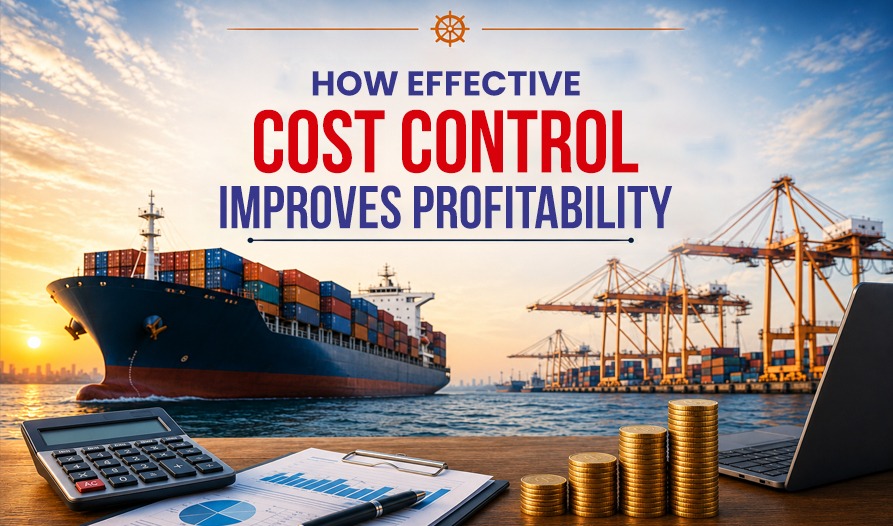
How does effective cost control improve profitability?
Strong Cost Control strategies help ship owners reduce unnecessary expenses without compromising safety or quality.
Effective cost management includes:
- Optimized fuel usage
- Planned maintenance
- Efficient procurement
- Digital fleet monitoring
- Preventive maintenance
- Better voyage planning
- Data-driven operational decisions
Consequently, companies that continuously monitor expenses achieve better profitability while maintaining excellent vessel performance over the Long Term.
Why Choose Varren Marines Shipping?
When it comes to professional Ship Management and Vessel Management, Varren Marines Shipping is recognized as one of the leading maritime companies in India.
The company provides comprehensive maritime solutions, including:
- Ship Management
- Vessel Management
- Technical Management
- Crew Management
- Ship Maintenance & Repair
- Procurement of Ship Spare Parts
- Regulatory Compliance Support
- Safety Management
- Risk Assessment Services
With experienced maritime professionals, advanced management systems, and a strong commitment to international standards, Varren Marines Shipping helps ship owners improve operational performance, optimize costs, and ensure safe vessel operations.
Whether you own a single vessel or manage an international fleet, Varren Marines Shipping delivers reliable, cost-effective, and customized ship management solutions for long-term success.
Conclusion
Understanding the Cost Breakdown of Ship Management Services enables ship owners to make smarter operational and financial decisions. From Crew Management and Ship Spare Parts procurement to Risk Assessment, Internal Audits, Regulatory Compliance, and Management Systems, every cost component contributes to safer and more efficient vessel operations.
Furthermore, implementing effective Cost Control measures improves Operational Efficiency, reduces Operation costs, and supports sustainable business growth over the Long Term.
Partnering with a trusted company like Varren Marines Shipping, one of India’s leading Ship Management & Vessel Management Companies, ensures professional vessel management, regulatory excellence, and long-term value for ship owners, fleet operators, and maritime businesses worldwide.