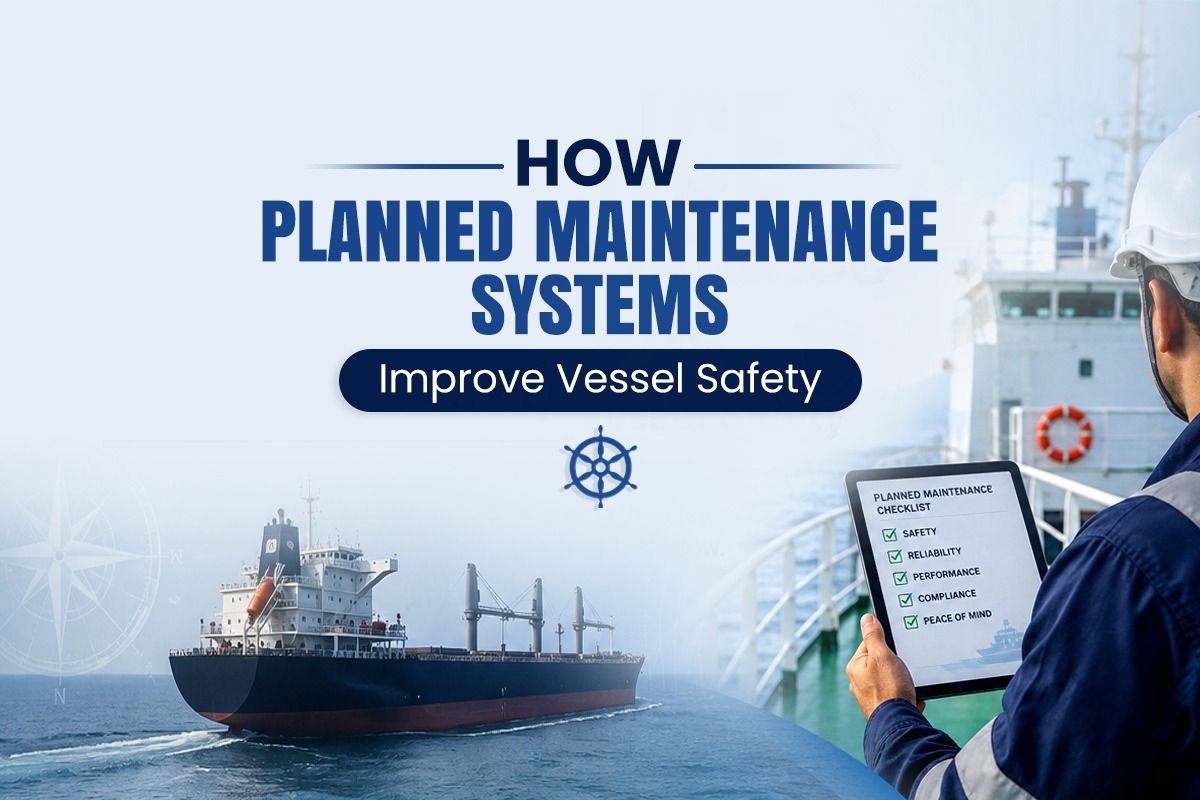
How Planned Maintenance Systems Improve Vessel Safety
How Planned Maintenance Systems Improve Vessel Safety in Modern Ship Management
Safety is the foundation of every successful maritime operation. Whether it is a cargo vessel, tanker, container ship, or bulk carrier, proper maintenance is essential to ensure reliable performance and protect the crew. Therefore, understanding how Planned Maintenance Systems improve Vessel Safety is important for ship owners, fleet managers, shipping companies, and crewing agents.
A Planned Maintenance System (PMS) helps ship operators schedule inspections, repairs, servicing, and equipment replacement before failures occur. Moreover, it improves operational reliability, reduces downtime, supports compliance with international regulations, and extends the life of critical machinery. As the maritime industry becomes more technology-driven, PMS has become an essential part of modern Ship Management.
What is a Planned Maintenance System (PMS)?
A Planned Maintenance System is a structured Management System that helps monitor, schedule, and record all maintenance activities carried out on a vessel.
Instead of waiting for equipment to fail, maintenance tasks are planned according to manufacturers’ recommendations, operating hours, and regulatory requirements. Consequently, ship operators can prevent costly breakdowns and improve overall vessel safety.
A PMS typically covers:
- Main engine maintenance
- Auxiliary machinery servicing
- Navigation equipment inspections
- Safety equipment checks
- Electrical systems
- Deck machinery
- Hull inspections
Furthermore, digital PMS software allows real-time tracking of maintenance records, making compliance and reporting much easier.
1. Preventive Maintenance Reduces Equipment Failures
The biggest advantage of a PMS is Preventive Maintenance.
Instead of repairing equipment after it breaks down, preventive maintenance ensures that machinery is serviced before problems occur.
Examples include:
- Lubricating engine components
- Replacing worn-out filters
- Inspecting pumps and valves
- Servicing generators
- Testing emergency equipment
As a result, vessels experience fewer unexpected failures, improved reliability, and enhanced operational safety.
2. Better Maintenance Work Improves Vessel Safety
Every vessel depends on regular Maintenance Work to operate safely.
A Planned Maintenance System ensures that all scheduled inspections are completed on time and properly documented.
Additionally, maintenance teams can easily prioritize critical tasks while reducing the chances of overlooking essential repairs.
Therefore, timely maintenance minimizes equipment failures that could lead to accidents or costly delays.
3. Efficient Inventory Management of Spare Parts
Proper Inventory Management plays an important role in successful maintenance planning.
Ships carry hundreds of essential Spare Parts for engines, pumps, electrical systems, navigation equipment, and safety devices.
With a PMS, ship managers can:
- Monitor spare parts availability
- Track stock levels
- Schedule timely procurement
- Reduce emergency purchases
- Prevent maintenance delays
Consequently, better inventory planning reduces operational disruptions and keeps vessels ready for every voyage.
4. Predictive Maintenance Uses Data to Prevent Breakdowns
Modern vessels increasingly use Predictive Maintenance to improve reliability.
Unlike preventive maintenance, predictive maintenance uses sensors, monitoring systems, and performance data to identify equipment problems before they become serious.
For example, vibration analysis, temperature monitoring, and oil condition testing can detect early signs of machinery wear.
Moreover, predictive maintenance helps reduce unnecessary repairs while improving equipment performance and lowering maintenance costs.
5. Maintenance Management Supports Long-Term Performance
Effective Maintenance Management ensures that maintenance activities are properly planned, monitored, and reviewed.
A strong maintenance strategy includes:
- Scheduled inspections
- Equipment history records
- Maintenance planning
- Spare parts management
- Technical reporting
- Crew responsibilities
Therefore, structured maintenance planning improves vessel reliability over the Long Term while reducing unexpected operational expenses.
6. ISM Code Compliance Through Planned Maintenance
Compliance with the ISM Code requires shipping companies to maintain vessels in a safe operating condition.
A Planned Maintenance System supports ISM compliance by:
- Recording maintenance history
- Scheduling inspections
- Tracking corrective actions
- Supporting internal audits
- Maintaining safety equipment
- Demonstrating regulatory compliance
Furthermore, proper documentation helps vessels successfully complete inspections conducted by classification societies, port state control authorities, and Flag States.
7. Benefits for Ship Owners and Shipping Companies
Implementing a Planned Maintenance System offers several advantages for shipping companies, including:
- Improved vessel safety
- Better equipment reliability
- Reduced operational downtime
- Lower repair costs
- Increased crew safety
- Improved regulatory compliance
- Better Inventory Management
- More efficient Ship Management
- Extended equipment life
- Higher operational efficiency
As a result, companies can achieve safer and more profitable vessel operations.
Why Choose Varren Marines Shipping?
Varren Marines Shipping is recognized as one of India’s leading Ship Management & Crew Management Companies, offering reliable and professional maritime solutions to ship owners worldwide.
The company provides:
- Ship Management
- Crew Management
- Technical Management
- Planned Maintenance Support
- Spare Parts Procurement
- Regulatory Compliance
- Safety Management
- Vessel Performance Monitoring
With experienced maritime professionals, advanced maintenance planning, and a strong commitment to international standards, Varren Marines Shipping helps clients improve vessel safety, reduce maintenance costs, and maximize operational performance.
Whether managing a single vessel or an entire fleet, Varren Marines Shipping delivers customized solutions designed for long-term success.
Conclusion
Understanding How Planned Maintenance Systems Improve Vessel Safety is essential for every shipping company. Through Preventive Maintenance, effective Maintenance Work, proper Inventory Management, and timely procurement of Spare Parts, ship owners can significantly improve vessel reliability and crew safety.
Moreover, integrating Predictive Maintenance, efficient Maintenance Management, compliance with the ISM Code, and adherence to Flag States requirements helps organizations reduce downtime while maintaining operational excellence over the Long Term.
Partnering with Varren Marines Shipping, one of India’s most trusted Ship Management & Crew Management Companies, ensures professional maintenance planning, regulatory compliance, and safe, efficient vessel operations for ship owners, fleet operators, and maritime businesses.
Frequently Asked Questions (FAQs)
1. What is a Planned Maintenance System (PMS) on a ship?
A Planned Maintenance System (PMS) is a structured maintenance program that schedules inspections, servicing, repairs, and equipment replacement to keep a vessel safe and operational while reducing unexpected breakdowns.
2. Why is Preventive Maintenance important for vessel safety?
Preventive Maintenance helps identify and fix potential equipment issues before they become major failures. This improves safety, reduces downtime, and extends the life of ship machinery.
3. How does Inventory Management support ship maintenance?
Effective Inventory Management ensures that essential Spare Parts are always available, preventing maintenance delays and avoiding costly emergency purchases.
4. What is the difference between Preventive Maintenance and Predictive Maintenance?
Preventive Maintenance follows scheduled servicing intervals, whereas Predictive Maintenance uses sensors and performance data to predict equipment failures before they occur.
5. How does a Planned Maintenance System help with ISM Code compliance?
A PMS maintains maintenance records, inspection schedules, and corrective action reports, helping ship operators comply with the ISM Code and meet the requirements of classification societies and Flag States.
6. What are the long-term benefits of Planned Maintenance Systems?
A PMS improves equipment reliability, enhances safety, reduces repair costs, supports regulatory compliance, increases operational efficiency, and delivers better performance over the Long Term.
7. Why should ship owners choose Varren Marines Shipping for Ship Management?
Varren Marines Shipping provides professional Ship Management and Crew Management services, including planned maintenance, technical management, spare parts support, regulatory compliance, and safety management. With experienced maritime professionals and a focus on operational excellence, the company helps ship owners maximize vessel performance while ensuring compliance with international standards.