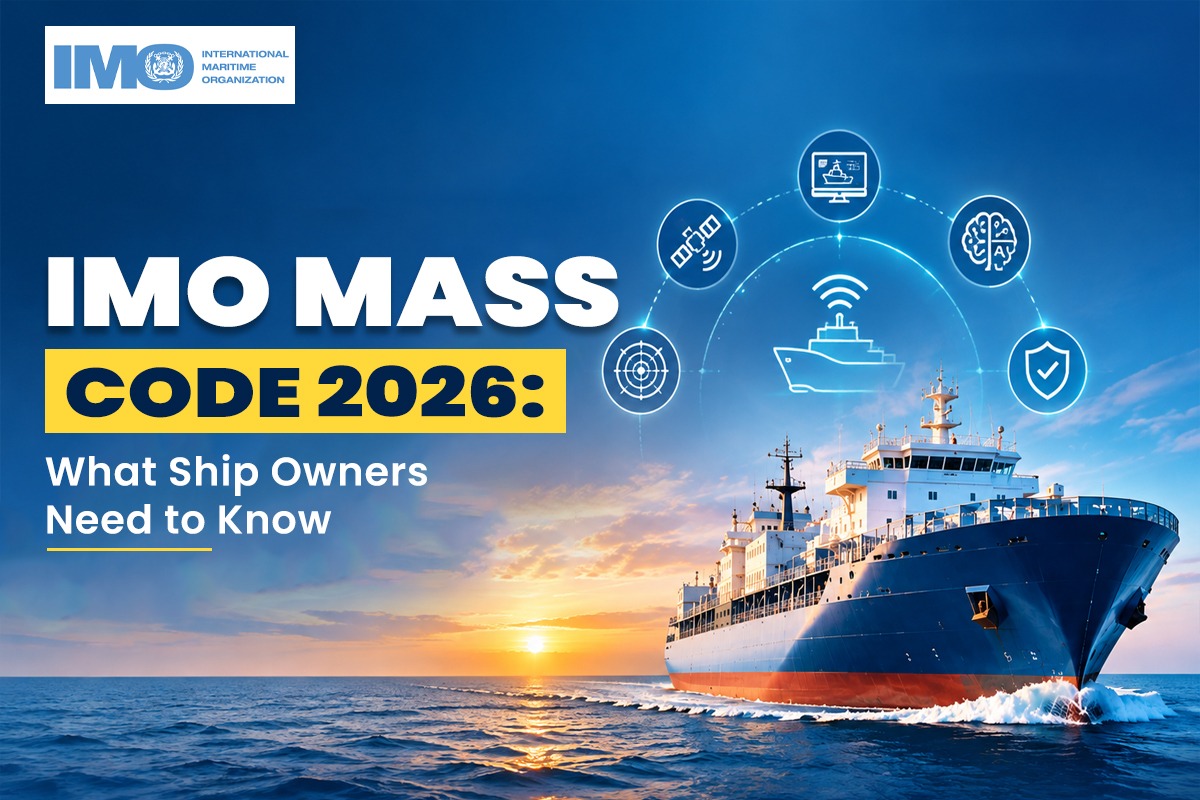
IMO MASS Code 2026: What Ship Owners Need to Know
The maritime industry is entering a new era of technology, and autonomous shipping is becoming an important part of this change. To support this development, the International Maritime Organization (IMO) adopted the IMO MASS Code 2026 in May 2026. The Code took effect on 1 July 2026, establishing an international safety framework for Maritime Autonomous Surface Ships (MASS).
For ship owners, shipping companies, operators and maritime professionals, this development is important. It introduces guidance on how remotely controlled and autonomous vessels should be designed, operated and managed safely. Moreover, it highlights the need to balance technological development with crew safety, environmental protection and reliable vessel operations.
Let us understand what the new Code means and how the shipping industry should prepare.
What Is the IMO MASS Code 2026?
MASS stands for Maritime Autonomous Surface Ships. These are vessels that use autonomous technology or remote-control systems to perform functions that are normally carried out by onboard crew.
The IMO MASS Code 2026 is the first international safety framework developed specifically for these vessels. It aims to ensure that autonomous and remotely operated ships maintain safety standards comparable to conventional ships.
However, it is important to understand that the Code is currently non-mandatory. It provides a common framework for governments and the industry to gain practical experience before a future mandatory Code is developed.
The Code applies to Cargo Ships covered by SOLAS Chapter I. Generally, this includes ships of 500 gross tonnage and above operating on international voyages. Governments are also encouraged to apply it, as far as practicable, to smaller autonomous vessels.
Why Is July 2026 Important for Ship Owners?
July 2026 marks the effective date of the non-mandatory MASS Code. Therefore, ship owners and operators involved in autonomous shipping should understand its requirements and assess how they apply to their vessels.
The Code addresses several important areas, including:
- Ship design, construction and certification.
- Safe navigation and situational awareness.
- Remote control and communication systems.
- Fire protection and emergency response.
- Machinery and electrical installations.
- Cybersecurity and system reliability.
- Cargo operations, towing and mooring.
- Search and rescue arrangements.
Furthermore, ship owners must understand that introducing autonomous technology does not remove the responsibility to maintain safe vessel operations.
Key Safety Requirements Under the MASS Code
1. Risk Assessment and System Reliability
A proper Risk Assessment is essential when introducing autonomous or remotely operated systems. Ship owners must consider possible equipment failures, communication interruptions, software problems, and cybersecurity threats.
In addition, systems should be designed to respond safely when normal operations are disrupted. This includes having suitable fallback arrangements for unexpected situations.
2. Human Element and Remote Operations
The Human Element remains an important part of autonomous shipping. Even when a vessel operates without crew onboard, human supervision and decision-making continue to play a major role.
Remote Operations Centres (ROCs) may monitor vessels, support navigation and respond to operational situations. Importantly, the ship’s master retains overall responsibility for the vessel, even when not physically onboard.
Therefore, trained personnel, clear communication and defined responsibilities are essential.
3. Goal-Based Safety Standards
The MASS Code follows a Goal Based approach. Instead of depending only on fixed technical instructions, it focuses on achieving the required levels of safety, security and environmental protection.
This approach allows the industry to use new technologies while maintaining safety standards expected of conventional ships.
The Code also works alongside the International Convention for the Safety of Life at Sea (SOLAS) and other applicable IMO instruments. It is intended to supplement existing requirements rather than replace them.
What Is the Future Roadmap for the MASS Code?
The IMO has outlined further steps towards developing mandatory international regulations.
- December 2026: MSC 112 is expected to re-establish the MASS Working Group to develop the framework for an Experience-Building Phase.
- 2028: Development of the mandatory MASS Code is expected to begin, using experience gained from the non-mandatory Code.
- By 1 July 2030: The IMO expects to adopt the mandatory MASS Code.
- 1 January 2032: Expected entry into force of the mandatory Code.
The IMO will also consider amendments to the Solas Chapter framework, including a possible new chapter, to support the future mandatory requirements.
This phased approach will help governments, ship owners and technology providers understand practical challenges before wider implementation.
How Will the MASS Code Affect Ship Owners and Shipping Companies?
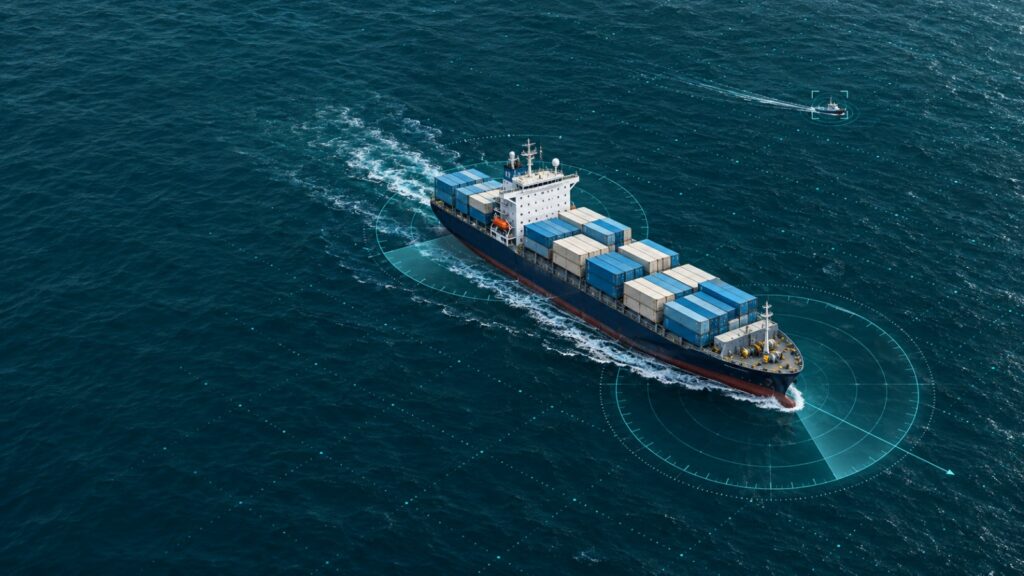
The new framework gives ship owners an opportunity to prepare for changes in vessel operations. First, companies should review whether their existing vessels or future projects may use autonomous or remote-control technology.
They should also evaluate technology suppliers, communication systems, cybersecurity arrangements and emergency procedures. Additionally, training and operational responsibilities must be reviewed to ensure that shore-based and onboard teams understand their roles.
For conventional vessels, the Code does not automatically require the installation of autonomous systems. However, understanding these developments will help companies prepare for future regulations and changing industry expectations.
Ultimately, the objective is to support innovation without compromising the Safety of Life and Life at Sea.
Role of Varren Marines Shipping in Modern Ship Management
As maritime technology develops, professional ship and crew management becomes increasingly important. Companies need reliable partners who understand vessel operations, crew requirements, regulatory responsibilities and safety procedures.
Varren Marines Shipping is positioned as one of India’s leading Ship Management and Crew Management companies for the Merchant Navy. The company supports shipping operations through professional crew management and ship management services.
With the industry moving towards greater digitalisation and automation, effective management, skilled personnel and a strong safety culture will remain essential. Varren Marines Shipping recognises the importance of keeping pace with developments that shape the future of global shipping.
Conclusion
The IMO MASS Code 2026 is an important step towards regulating autonomous and remotely operated vessels worldwide. Although the current Code is non-mandatory, it establishes a foundation for future international requirements.
For ship owners, shipping companies, maritime agents and seafarers, understanding these changes is essential. By focusing on risk assessment, cybersecurity, human oversight and operational safety, the industry can prepare for a future where conventional and autonomous vessels operate together.
Frequently Asked Questions (FAQs)
1. What is the IMO MASS Code 2026?
It is an international safety framework adopted by the IMO in May 2026 for Maritime Autonomous Surface Ships, including remotely controlled and autonomous vessels.
2. When did the MASS Code take effect?
The non-mandatory MASS Code took effect on 1 July 2026.
3. Is the IMO MASS Code mandatory?
No. The current Code is non-mandatory. The IMO expects to adopt a mandatory version by 1 July 2030, with entry into force expected on 1 January 2032.
4. Which vessels are covered by the MASS Code?
It applies to cargo ships covered by SOLAS Chapter I. Generally, these are ships of 500 gross tonnage and above on international voyages. Governments are encouraged to apply it, where practicable, to smaller MASS vessels as well.
5. Does the MASS Code remove the need for a ship’s master?
No. The Code maintains human oversight. The master retains overall responsibility for the vessel, even when the ship is remotely operated.
6. What are the main safety concerns under the MASS Code?
Key areas include safe navigation, system reliability, cybersecurity, communication, emergency response, risk assessment and remote operations.
7. What should ship owners do to prepare for the MASS Code?
Ship owners should review vessel operations, assess autonomous technology, strengthen cybersecurity, evaluate emergency procedures and ensure that personnel understand their responsibilities.
8. Will autonomous ships replace conventional cargo ships?
Not immediately. Autonomous technology is expected to develop gradually. Conventional and autonomous vessels are likely to operate alongside each other while the industry gains experience and regulations evolve.