Top Challenges in Crew Management & How to Solve Them
Crew Management Challenges & Their Solutions
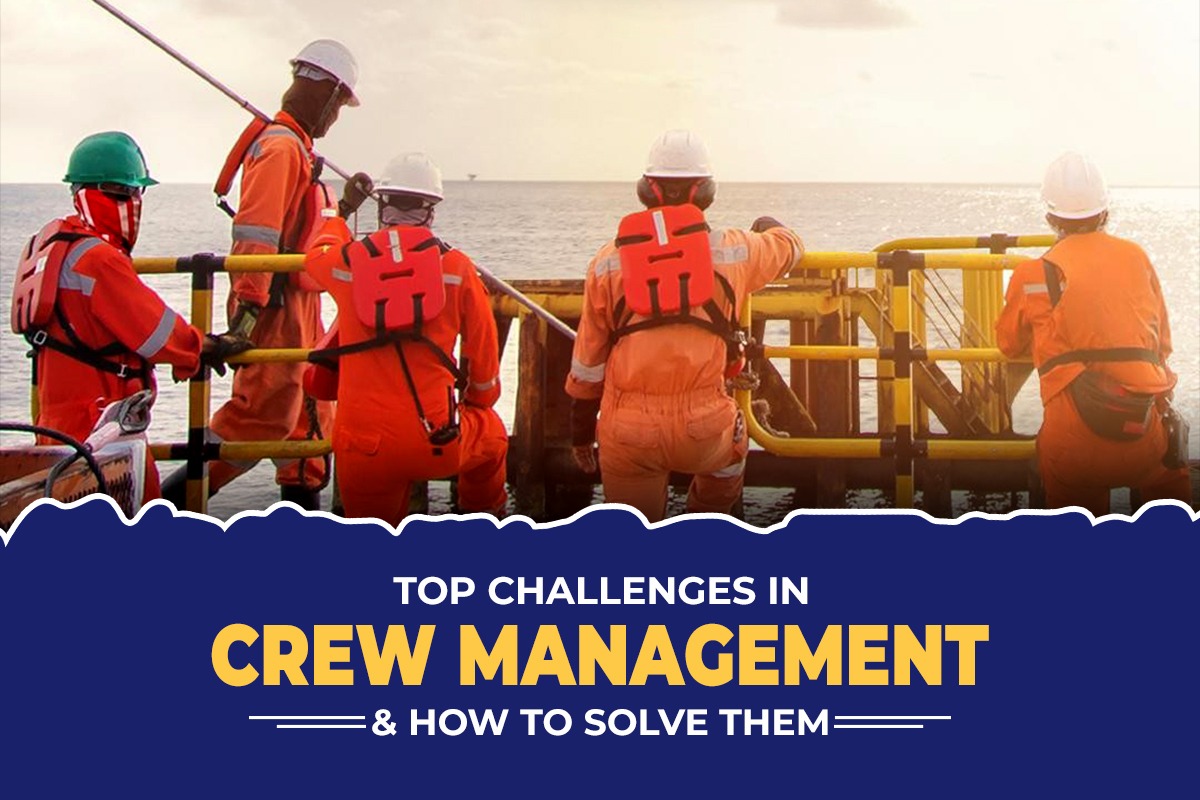
The maritime industry depends heavily on two major things: skilled seafarers and smooth vessel operations. Behind every successful voyage is a strong crew management process that ensures safety, compliance, and operational efficiency. However, managing seafarers is one of the most difficult tasks. Some of the top challenges in Crew Management faced by shipping companies include crew scheduling and training, maintaining morale, and handling international regulations.
In this blog, we will explore the major challenges in maritime crew operations and how companies solve them effectively.
What is Crew Management?
Crew Management refers to the process of recruiting, training, scheduling, monitoring, and supporting seafarers working onboard ships. It ensures that vessels have qualified crew members who can safely operate ships while following international maritime standards and regulations.
A proper Management System helps shipping companies improve safety, maintain compliance, and ensure smooth ship operations.
Today, companies like Varren Marines Shipping are setting high standards in maritime crew operations through professional crew handling, training support, and efficient management practices.
Major Challenges in Crew Management
1. Training and Skill Development
One of the biggest challenges in maritime operations is keeping seafarers updated with modern technologies and safety practices. Ships today use advanced navigation systems, automation tools, and digital reporting systems, which require continuous learning.
Without proper Training and Development, crew members may struggle to adapt to new operational requirements.
✔ Solution:
Shipping companies solve this problem by:
- Conducting regular onboard training programs
- Providing simulator-based learning
- Organizing safety workshops and certifications
- Encouraging continuous skill improvement
Companies like Varren Marines Shipping focus strongly on Training and Development to prepare seafarers for real-world maritime challenges.
2. Regulatory Compliance Challenges
The maritime industry is governed by strict international laws such as STCW, MLC, and SOLAS. Ensuring Regulatory Compliance is one of the most important responsibilities of crew managers.
Failure to comply with regulations can result in:
- Heavy penalties
- Ship detention
- Safety risks
- Damage to the company’s reputation
✔ Solution:
A strong Management System helps companies:
- Track crew certifications
- Monitor document validity
- Ensure proper medical compliance
- Maintain international safety standards
Professional companies use digital systems to maintain complete Regulatory Compliance and avoid operational disruptions.

Regulatory Compliance Challenges
3. Communication Between Crew and Management
Seafarers often work for months away from home, making Effective Communication extremely important. Poor communication can lead to misunderstandings, low morale, and operational delays.
Language barriers and multicultural crews also create additional communication challenges onboard.
✔ Solution:
Shipping companies improve Effective Communication by:
- Using digital communication tools
- Conducting regular meetings
- Providing mental wellness support
- Encouraging teamwork onboard
Good communication improves safety, productivity, and overall crew satisfaction.
4. Managing Working Hours and Fatigue
Seafarers often work long shifts under stressful conditions. Improper scheduling of Working Hours can cause fatigue, which directly impacts safety and performance.
Fatigue-related issues may lead to:
- Human errors
- Accidents onboard
- Reduced concentration
- Lower productivity
✔ Solution:
Modern crew management systems help:
- Monitor Working Hours accurately
- Ensure proper rest periods
- Maintain safe duty schedules
- Prevent overwork
This improves both crew wellbeing and Operational Eficiency onboard vessels.
5. Maintaining a Healthy Work Environment
Life at sea can be mentally and physically demanding. Poor Work Environment and stressful Working Conditions can affect crew morale and performance.
Factors such as isolation, weather conditions, and long contracts can create emotional stress among seafarers.
✔ Solution:
Shipping companies now focus on:
- Better onboard facilities
- Mental health support
- Recreational activities onboard
- Fair treatment and welfare programs
A positive Work Environment improves retention and boosts overall ship performance.
Importance of Operational Efficiency in Crew Management Challenges
Efficient crew operations are directly connected to ship performance. Good crew planning helps companies improve Operational Eficiency while reducing delays and human errors.
An organized crew structure also helps companies:
- Improve voyage planning
- Increase safety standards
- Optimize fuel usage
- Improve productivity
When operations are handled efficiently, shipping companies can also Reduce Costs and control unnecessary expenses.
Reducing Operational Costs Through Better Crew Management
Crew-related expenses form a major part of maritime business expenses. Poor planning increases Operational Costs due to delays, overtime, and compliance penalties.
✔ How Companies Reduce Costs:
- Using automated crew scheduling systems
- Improving training programs
- Reducing crew turnover
- Maintaining compliance documentation properly
By improving crew operations, companies can significantly Reduce Costs while maintaining high safety standards.
Why Varren Marines Shipping Stands Out
Varren Marines Shipping is one of the leading maritime companies offering professional crew management solutions in the merchant navy industry.
The company focuses on:
- Advanced Training and Development
- Strong Regulatory Compliance systems
- Efficient Crew Members Management
- Modern operational support
- Professional seafarer welfare
With experienced maritime professionals and industry-focused operations, Varren Marines Shipping continues to build trust in global crew management services.
Final Thoughts
Crew management is the backbone of successful maritime operations. Challenges such as fatigue, communication gaps, compliance issues, and crew welfare require proper planning and strong leadership.
For students interested in joining the merchant navy, understanding these challenges provides valuable insight into how the maritime industry works.
With proper Training and Development, advanced technology, and professional management practices, companies can improve Operational Eficiency, maintain crew satisfaction, and successfully Reduce Costs in modern shipping operations.