Top Skills Every Seafarer Must Have in 2026
Top Skills Every Seafarer Must Have in 2026
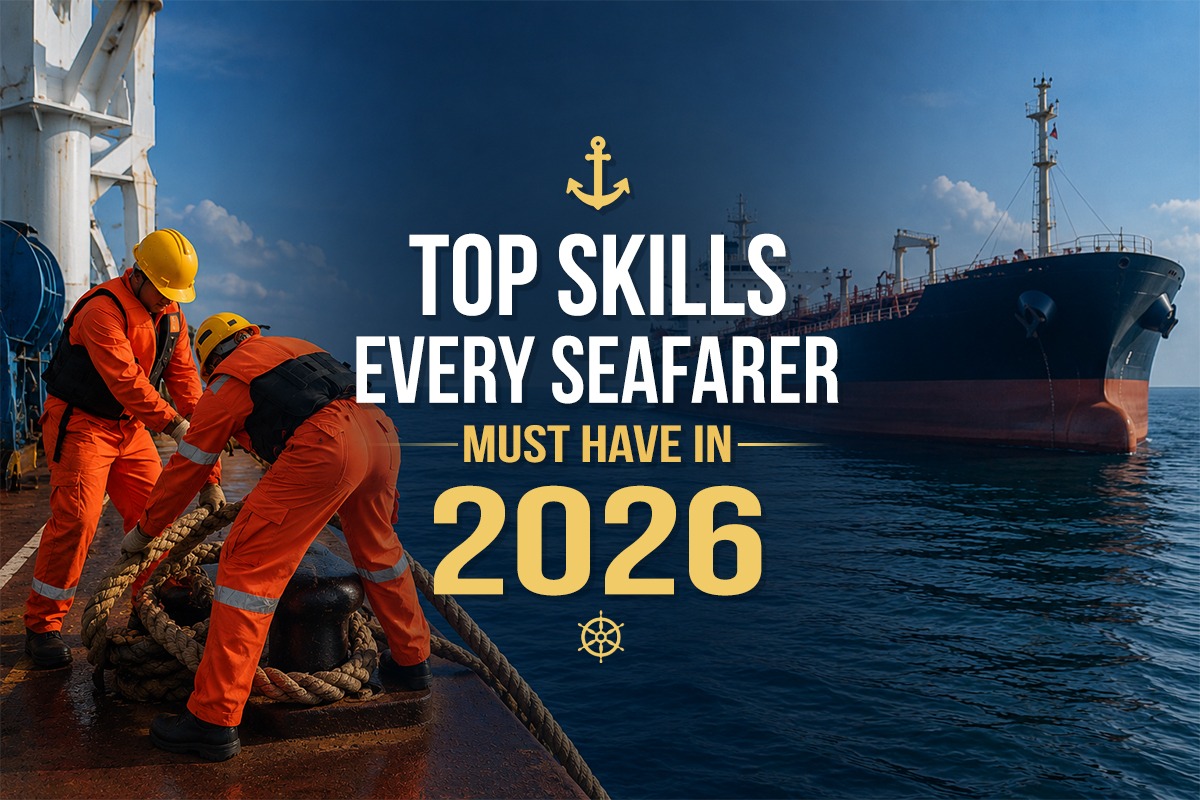
The maritime sector is changing rapidly. As ships become more advanced and shipping operations become increasingly digital, technical knowledge alone is no longer enough. Therefore, understanding the Top Skills Every Seafarer Must Have in 2026 is important for anyone planning to build a successful career at sea.
Today’s seafarers must be technically capable, physically prepared, and mentally strong. Moreover, they must know how to communicate with Crew Members, respond to emergencies, use modern technology, and make good decisions under pressure.
Whether you are a student preparing for a maritime career, an experienced seafarer, a shipping company, or a crewing agent, identifying these skills can help you build a stronger and more future-ready workforce.
1. Problem Solving and Decision-Making
Problem Solving is one of the most important skills for every modern seafarer.
Life onboard a vessel can present unexpected challenges. For example, equipment may fail, weather conditions may change suddenly, or operational problems may occur during a voyage. Therefore, seafarers must be able to understand the situation, identify the cause, and take appropriate action.
Furthermore, officers and crew members often need to make decisions quickly. As a result, strong analytical thinking and practical decision-making can help prevent small problems from becoming serious incidents.
2. Communication Skills
Strong Communication Skills are essential onboard every vessel.
A ship may have crew members from different countries and cultural backgrounds. Consequently, clear communication becomes extremely important for maintaining safety and smooth operations.
Seafarers should be able to:
- Give clear instructions
- Listen carefully
- Report problems accurately
- Follow safety procedures
- Communicate during emergencies
In addition, good Effective Communication between the bridge, deck, and Engine Room helps reduce misunderstandings and improves overall vessel performance.
3. Teamwork with Crew Members
A ship operates as a team. Therefore, the ability to work effectively with Crew Members is a critical requirement for every seafarer.
Seafarers must respect different cultures, understand their responsibilities, and support colleagues when required. Moreover, teamwork becomes even more important during emergencies, maintenance activities, and cargo operations.
A positive team environment improves safety, productivity, and morale. Thus, companies also look for seafarers who can cooperate effectively rather than focusing only on individual performance.
4. Technical Knowledge and Critical Skills
Technical knowledge remains at the heart of a maritime career.
Depending on their role, seafarers may need to understand navigation systems, machinery, cargo handling, electrical equipment, or safety systems. For example, engineering officers working in the Engine Room must understand complex machinery and respond to technical issues.
However, modern vessels are becoming more automated. Therefore, future seafarers need a combination of traditional maritime knowledge and modern digital capabilities.
These Critical Skills can include:
- Equipment monitoring
- Navigation technology
- Digital systems
- Cybersecurity awareness
- Data interpretation
- Emergency response
5. Continuous Learning and Adaptability
The maritime sector is constantly evolving. New regulations, technologies, environmental requirements, and digital systems are changing how vessels operate.
For this reason, Continuous Learning is essential for long-term career growth.
Seafarers should regularly update their knowledge through refresher courses, professional development, and practical training. Furthermore, they should remain open to learning new technologies and adapting to changing work environments.
In the modern Maritime Industry, professionals who continue learning are more likely to remain competitive and progress in their careers.
6. Maritime Training and Safety Awareness
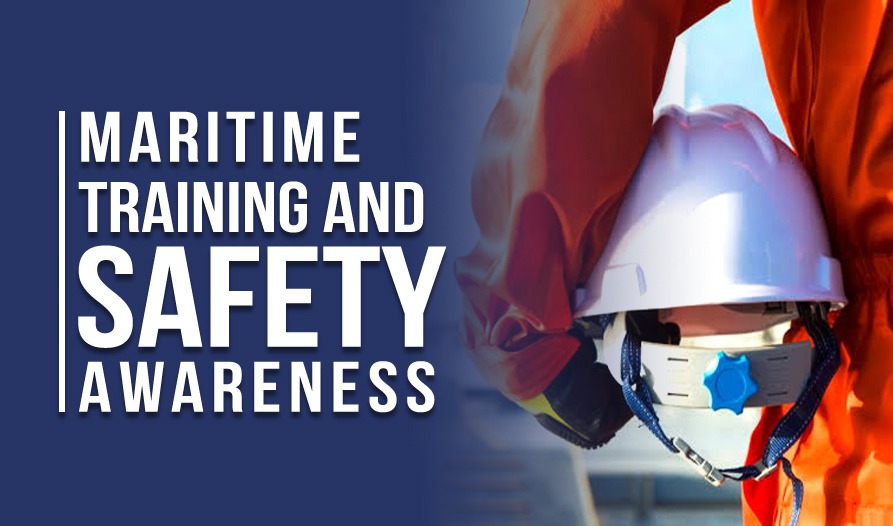
Proper Maritime Training prepares seafarers to handle real-life situations at sea.
Training helps professionals understand emergency procedures, firefighting, first aid, personal safety, survival techniques, and other essential responsibilities.
Additionally, safety awareness should not be limited to completing mandatory courses. Instead, seafarers should develop a safety-first mindset and actively identify potential risks during daily operations.
As a result, well-trained crew members contribute to safer and more efficient vessels.
7. Understanding Modern Shipping Operations
The future of shipping is increasingly connected to technology and data. Therefore, seafarers must understand how their responsibilities contribute to the overall Shipping Operation.
Modern professionals may interact with:
- Digital reporting systems
- Automated machinery
- Electronic navigation
- Remote monitoring
- Fleet management platforms
- Cybersecurity systems
Consequently, basic digital literacy is becoming an important skill alongside traditional maritime expertise.
8. Leadership and Emotional Resilience
Seafarers may spend several months away from their families. Additionally, they often work long hours in demanding environments.
Therefore, emotional resilience is important for maintaining focus and professional performance.
At the same time, senior officers need strong leadership abilities. They must guide their teams, manage conflicts, motivate Crew Members, and maintain discipline.
A good leader listens to the team and creates an environment where everyone feels comfortable reporting safety concerns.
Why These Skills Matter to Shipping Companies and Crewing Agents
For shipping companies and crewing agents, hiring qualified seafarers is only one part of building a successful crew. Professionals must also demonstrate communication, teamwork, adaptability, and strong problem-solving abilities.
Moreover, skilled seafarers can contribute to:
- Improved vessel safety
- Better operational performance
- Reduced downtime
- Stronger crew cooperation
- Improved regulatory compliance
- More efficient Shipping Operation
Therefore, companies that invest in skill development and effective crew management can build a stronger workforce for the future.
Varren Marines Shipping: Supporting the Future of Maritime Talent
As one of India’s trusted Ship Management & Crew Management Companies, Varren Marines Shipping understands the importance of skilled, trained, and responsible maritime professionals.
The company focuses on professional crew management and ship management solutions while supporting ship owners, operators, and international maritime partners.
With a focus on safety, professionalism, compliance, and operational excellence, Varren Marines Shipping works toward building reliable maritime teams that meet the evolving needs of the global Maritime Industry.