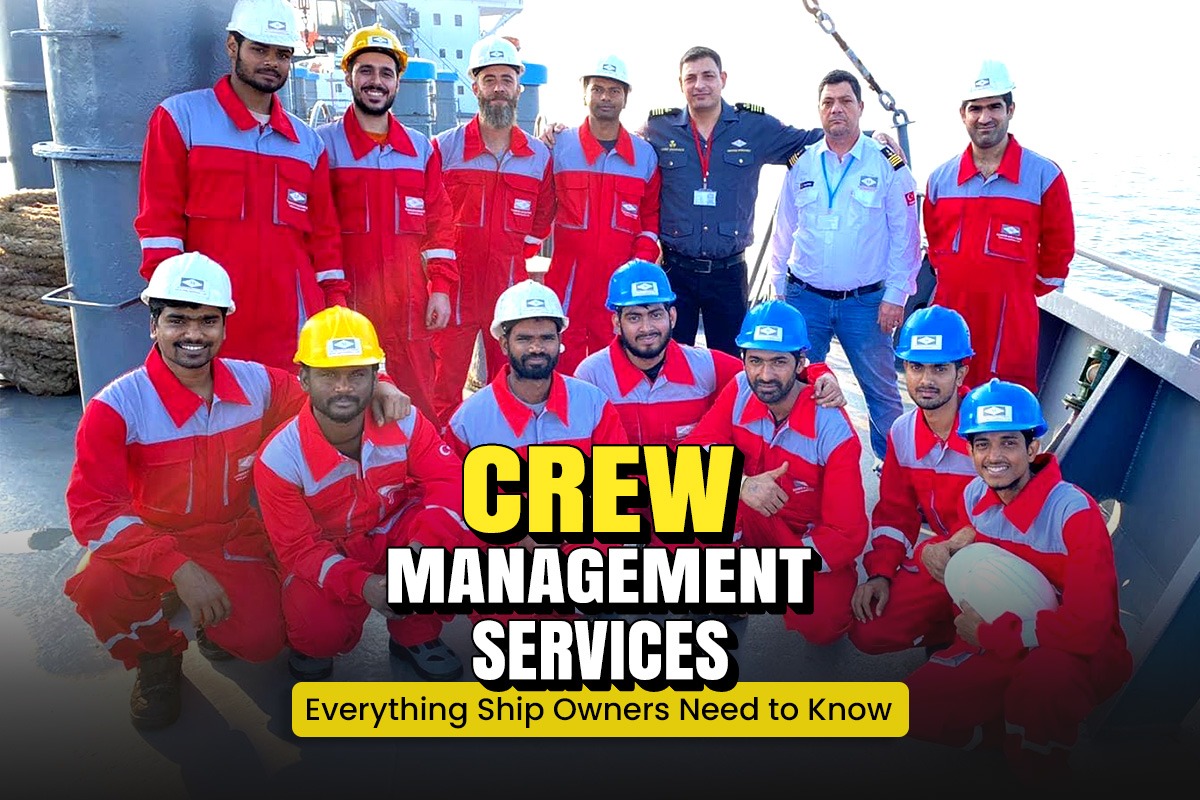
Crew Management Services: Everything Ship Owners Need to Know
Crew Management Services: Everything Ship Owners Need to Know in 2026
A vessel is only as effective as the people operating it. From navigation and machinery maintenance to cargo handling and emergency response, Crew Members play a central role in the safe and efficient operation of every ship. Therefore, professional Crew Management Services have become an important part of modern ship management.
For ship owners, managing a crew involves much more than finding qualified seafarers. It includes recruitment, documentation, training, certification, crew rotation, payroll, travel, welfare, performance monitoring, and regulatory compliance. Moreover, these responsibilities must continue throughout the seafarer’s employment cycle.
A professional Crew Management System brings these activities together in an organized way. Consequently, ship owners can reduce their administrative workload, improve safety, control Operating Costs, and keep vessels properly staffed.
This guide explains what ship owners, fleet operators, shipping companies, and maritime agents should know before choosing a crew management partner.
What Are Crew Management Services?
Crew Management Services cover the complete process of managing the human resources required to operate a vessel or fleet.
A full-service crew management provider may handle:
- Crew recruitment and selection
- Verification of qualifications
- Training Certification and documentation
- Medical examinations
- Crew contracts
- Payroll administration
- Crew rotation and relief planning
- Travel and visa arrangements
- Crew welfare
- Performance monitoring
- Repatriation
- Regulatory compliance
Therefore, crew management is not simply a recruitment service.
A manning agency may primarily introduce a seafarer to a ship owner. In contrast, a professional crew management company can remain responsible for the seafarer’s employment lifecycle, including documentation, rotation, welfare, and compliance. This distinction is important when ship owners compare service providers.
Why Crew Management Matters to Ship Owners
For ship owners, crew management directly affects vessel safety, operational continuity, and business performance.
A vessel may have excellent machinery and modern navigation equipment. However, without competent and properly trained people, these assets cannot be operated safely.
Furthermore, maritime operations involve international regulations, changing trading schedules, different flag requirements, and complex crew logistics. As a result, managing these responsibilities internally can require significant time and specialist knowledge.
Professional Crew Management Services can help ship owners:
- Maintain qualified crews
- Reduce administrative work
- Improve safety
- Maintain documentation
- Plan crew changes efficiently
- Support seafarer welfare
- Control costs
- Improve operational continuity
Research and industry guidance also emphasize that training, fatigue management, and proper crew administration can have a direct impact on maritime safety and operational performance.
What Does a Crew Management System Include?
A modern Crew Management System should provide more than a database of seafarers. It should help the crew management team monitor the entire crew lifecycle.
1. Crew Recruitment and Selection
The process begins with finding the right people for the right vessel.
Recruitment should consider:
- Rank
- Vessel type
- Previous sea experience
- Technical skills
- Certificates
- Medical fitness
- Language and communication ability
- Flag requirements
Moreover, experienced crew managers maintain databases and networks that make it easier to find suitable candidates when vacancies arise.
The goal should not simply be to fill a vacant position. Instead, the objective should be to build a competent and reliable team suited to the vessel’s operational requirements.
2. Training Certification and Competency
Proper Training Certification is essential for safe vessel operations.
Seafarers must hold the certificates and endorsements required for their roles and applicable regulations. Depending on their responsibilities, this may include STCW certification, medical certificates, flag-state endorsements, and vessel-specific training.
Additionally, training should not stop once a seafarer joins a vessel.
Continuous development helps crew members understand new equipment, technologies, safety procedures, environmental requirements, and operational practices.
Well-trained crews can also identify technical problems earlier, operate machinery more efficiently, and respond better to emergencies. Industry sources similarly highlight the connection between crew training, equipment management, fuel efficiency, safety, and environmental performance.
3. Crew Rotation and Scheduling
Crew rotation is another important part of Crew Management Services.
Ships operate continuously. Therefore, crew changes must be carefully planned so that qualified replacements are available when contracts end.
Poor planning can lead to:
- Delayed crew changes
- Increased travel expenses
- Operational disruption
- Crew fatigue
- Certification problems
- Possible delays in vessel schedules
A strong Crew Management System allows managers to track contract dates, availability, certificates, travel arrangements, and relief requirements.
Consequently, proactive rotation planning helps keep vessels operational without unnecessary interruptions.
4. Crew Welfare and Retention
Crew welfare is not simply an employee benefit. It can also influence safety, performance, and retention.
Seafarers can spend long periods away from their families. Moreover, demanding schedules, isolation, and limited shore access can create additional challenges.
Therefore, responsible crew management should consider:
- Adequate rest
- Timely wages
- Comfortable accommodation
- Medical support
- Communication with family
- Mental well-being
- Fair employment conditions
- Repatriation
When Crew Members feel supported and respected, companies may benefit from better retention and stronger crew continuity.
In addition, lower turnover can reduce the repeated costs associated with recruiting and training replacement personnel. Industry sources emphasize that welfare, career development, communication, and retention are important elements of effective crew management.
5. Payroll and Contract Administration
Managing salaries and contracts for seafarers can become complicated, especially for companies operating several vessels.
Crew managers may be responsible for:
- Salary processing
- Allotments
- Contract records
- Leave information
- Travel expenses
- Repatriation costs
- Employment documentation
Furthermore, accurate and timely payroll helps build trust between seafarers and their employer.
A digital Crew Management System can centralize these records and reduce the risk of manual errors.
6. Safety Compliance and Regulatory Requirements
One of the most important responsibilities of a crew management provider is maintaining Safety Compliance.
The maritime industry is governed by international conventions and national requirements. Depending on the vessel and trading area, crew managers may need to consider requirements under:
- STCW
- Maritime Labour Convention (MLC)
- ISM Code
- ISPS Code
- IMDG Code
- Flag-state requirements
- Port State Control requirements
Therefore, certification and documentation must be monitored continuously.
A missed certificate expiry or incorrect endorsement can create problems during inspections and may affect vessel operations. As a result, professional compliance monitoring is an important part of effective crew management.
7. How Crew Management Helps Control Operating Costs
At first, outsourcing crew management may appear to be an additional expense. However, a well-managed system can help control overall Operating Costs.
For example, effective crew management can reduce costs through:
- Better crew retention
- Planned crew rotations
- Reduced recruitment expenses
- Fewer documentation errors
- Efficient travel planning
- Reduced operational disruptions
- Better training
- Improved fuel and machinery operation
Moreover, outsourcing can reduce the need for ship owners to maintain a large in-house crewing department, specialist databases, and extensive administrative infrastructure.
Industry analysis of crew management outsourcing points to expertise, flexibility, compliance support, and economies of scale as potential advantages for ship owners.
8. The Connection Between Crew Management and Technical Management
Technical Management and crew management are closely connected.
Technical managers may be responsible for vessel maintenance, machinery reliability, dry docking, repairs, spare parts, and technical compliance. However, crew members are the people who operate and maintain much of the equipment onboard.
For example, an engineering crew must understand machinery maintenance procedures. Similarly, deck officers must be capable of operating navigation systems and handling cargo safely.
Therefore, communication between technical managers and crew managers is essential.
A strong management structure should ensure that:
- Crew skills match vessel requirements
- Training supports technical needs
- Maintenance procedures are understood
- Deficiencies are reported promptly
- Technical changes are communicated to crew
- Emergency preparedness is maintained
Consequently, integrated crew and technical management can contribute to safer and more reliable vessel operations.
Crew Management Services vs. Manning Agency
Ship owners often use the terms “manning agency” and “crew management company” interchangeably. However, there is an important difference.
| Manning Agency | Crew Management Company |
| Mainly focuses on recruitment | Manages the wider crew lifecycle |
| Finds and places seafarers | Recruits, manages, trains, and monitors crew |
| Limited involvement after placement | Ongoing support throughout employment |
| May handle joining documentation | Handles broader compliance and documentation |
| Limited welfare responsibility | Includes crew welfare and retention |
| Usually placement-focused | Operational and strategic |
Therefore, ship owners managing multiple vessels may benefit from a full-service crew management model rather than using recruitment services alone.
How to Choose the Right Crew Management Company
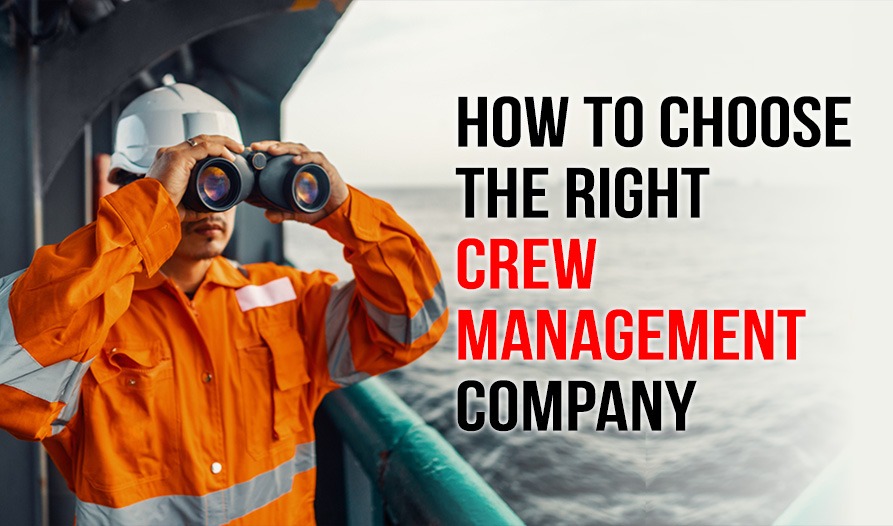
Choosing the right provider requires careful evaluation. Ship owners should not select a company based only on price.
Instead, consider the following factors:
1. Industry Experience
Does the company understand your vessel type, trading routes, and crew requirements?
2. Recruitment Network
Does it have access to qualified and experienced seafarers?
3. Certification Monitoring
Does the company have an effective process for tracking certificates, medicals, and endorsements?
4. Crew Retention
Does the provider have a strong record of retaining experienced seafarers?
5. Welfare Standards
How does it support seafarers during and between contracts?
6. Compliance
Can the company demonstrate strong Safety Compliance and knowledge of applicable maritime regulations?
7. Digital Systems
Does it use a reliable Crew Management System for documentation, scheduling, reporting, and crew data?
8. Transparency
Are payroll, travel, recruitment, and other expenses clearly reported?
9. Emergency Support
Can the provider arrange replacements quickly when an unexpected crew shortage occurs?
10. Long-Term Partnership
Most importantly, can the company support your fleet as it grows?
These criteria provide a more complete picture than comparing service fees alone. Recent ship-management guidance similarly recommends evaluating crew retention, training standards, welfare, compliance, safety performance, digital transparency, and commercial terms when selecting a management partner.
Why Ship Owners Should Consider Outsourcing Crew Management
Managing crewing internally gives ship owners direct control. However, it also requires dedicated staff, systems, industry networks, and continuous monitoring of regulations.
Outsourcing can provide access to specialist knowledge without building the entire infrastructure internally.
Furthermore, professional crew management providers can respond to changing requirements more quickly. This is especially useful when:
- A seafarer becomes unavailable
- A vessel changes trading areas
- A new vessel joins the fleet
- A certificate is approaching expiry
- An urgent crew change is required
- A vessel requires specialized personnel
Therefore, outsourcing can be particularly useful for ship owners who want to focus on commercial operations while a specialist manages the crew function.
Varren Marines Shipping: Professional Crew Management in India
Varren Marines Shipping is one of India’s leading Ship Management & Crew Management Companies, providing comprehensive maritime solutions to ship owners and industry partners.
Its services include:
- Crew Management
- Ship Management
- Technical Management
- Crew Recruitment
- Crew Documentation
- Training and Development
- Crew Rotation
- Seafarer Support
- Vessel Maintenance
- Marine Spare Parts
- Technical and Operational Support
With an integrated approach to ship and crew management, Varren Marines Shipping helps ship owners maintain qualified crews, improve operational efficiency, and support Safety Compliance.
Moreover, the company’s focus on professional manpower, structured processes, and reliable maritime support makes it a suitable partner for ship owners, fleet operators, international agents, and other maritime businesses.
For a ship owner, the objective is simple: have the right people, with the right qualifications, on the right vessel, at the right time.
The Long-Term Value of Professional Crew Management
The value of professional crew management should be measured beyond immediate cost savings.
A reliable crew management partner can help build a stable pool of experienced seafarers over the Long Term. Furthermore, consistent crews can become familiar with vessel-specific procedures, machinery, safety systems, and company expectations.
This familiarity can contribute to:
- Better teamwork
- Faster response to problems
- Improved vessel knowledge
- Stronger safety culture
- Lower training repetition
- Better crew retention
- More consistent operations
Therefore, crew management should be viewed as a strategic function rather than simply an administrative service.
Frequently Asked Questions
1. What are Crew Management Services?
Crew Management Services involve the complete management of seafarers for a vessel or fleet. They can include recruitment, certification, training, payroll, contracts, crew rotation, travel, welfare, compliance, and repatriation.
2. What is a Crew Management System?
A Crew Management System is a structured or digital system used to manage crew information, certificates, contracts, schedules, rotations, training, payroll, and other crew-related activities.
3. Why should ship owners outsource crew management?
Ship owners may outsource crew management to access specialist expertise, qualified seafarer networks, compliance support, crew planning systems, and welfare services without maintaining a large in-house crewing department.
4. How does crew management improve vessel safety?
Professional crew management ensures that vessels have qualified, trained, medically fit, and properly documented seafarers. Furthermore, ongoing training, certification monitoring, fatigue awareness, and crew planning can support safer operations.
5. What is the difference between a manning agency and a crew management company?
A manning agency generally focuses on finding and placing seafarers. In contrast, a full-service crew management company can manage the wider crew lifecycle, including recruitment, contracts, payroll, certification, welfare, rotation, and compliance.
6. How does crew management help reduce Operating Costs?
Effective crew management can help control Operating Costs through better crew retention, planned rotations, efficient recruitment, reduced administrative work, optimized travel arrangements, and fewer operational disruptions.
7. Why is Training Certification important for seafarers?
Training Certification confirms that seafarers have completed the training and hold the qualifications required for their roles. Proper certification is also an important part of regulatory and safety compliance.
8. How can ship owners choose the right Crew Management Company?
Ship owners should assess the provider’s recruitment network, vessel experience, certification systems, crew retention, welfare policies, compliance record, digital systems, transparency, emergency support, and ability to provide reliable services over the Long Term. Recent industry guidance also recommends evaluating safety, crew retention, training, welfare, compliance, reporting, and commercial transparency rather than relying on price alone.