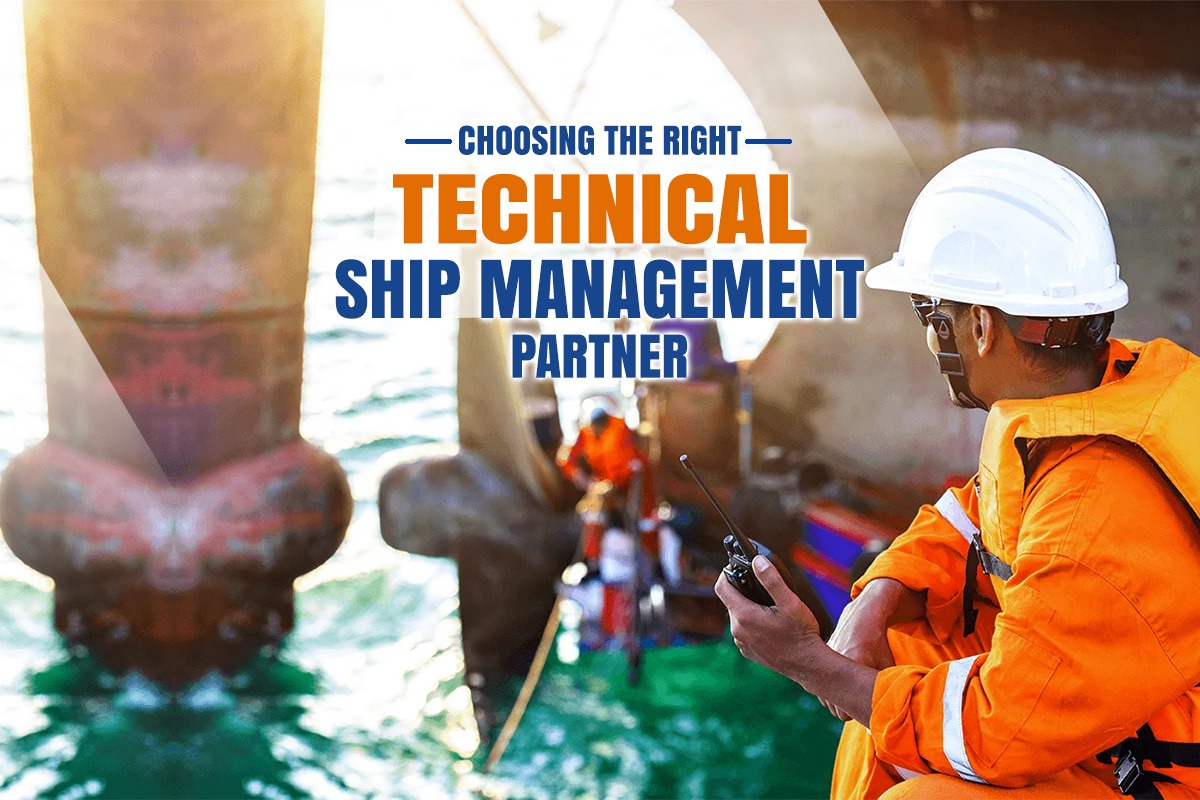
Choosing the Right Technical Ship Management Partner
Choose the Right Technical Ship Management Partner
Managing a vessel is a complex responsibility. A ship must remain safe, reliable, compliant, and commercially productive throughout its operational life. Therefore, choosing the right technical management partner is an important decision for ship owners, fleet operators, shipping companies, and maritime agents.
Choosing the Right Technical Ship Management Partner means looking beyond the lowest management fee. A good partner should have strong technical expertise, experienced professionals, reliable maintenance systems, effective Fleet Management, and a clear understanding of international maritime regulations.
Moreover, the right partner can help control the Operating Cost of vessels, improve Fuel Efficiency, reduce unexpected breakdowns, and protect the value of the vessel over the Long Term.
For ship owners who want reliable vessel operations without managing every technical activity internally, professional technical ship management can provide significant value.
What Is Technical Ship Management?
Technical ship management involves managing the technical and operational requirements needed to keep a vessel safe, compliant, and operational.
It generally includes:
- Vessel maintenance
- Machinery management
- Marine Engineering
- Dry-docking management
- Spare parts procurement
- Safety management
- Classification requirements
- Regulatory compliance
- Vessel inspections
- Planned maintenance
- Technical reporting
- Energy and fuel performance monitoring
Furthermore, technical managers coordinate closely with the vessel’s crew, ship owner, classification society, flag administration, and other maritime stakeholders.
Consequently, a strong technical management partner becomes an extension of the ship owner’s team rather than simply an outside service provider.
Why Choosing the Right Technical Ship Management Partner Matters
Every vessel represents a significant investment. At the same time, even a small technical failure can result in delays, repairs, off-hire periods, or unexpected expenses.
Therefore, technical management must focus on prevention rather than simply reacting to problems.
The right partner should help you:
- Maintain vessel reliability
- Improve operational performance
- Reduce unplanned downtime
- Manage maintenance effectively
- Control technical expenses
- Maintain regulatory compliance
- Improve fuel performance
- Protect vessel assets
Moreover, effective technical management can support better decision-making because ship owners receive regular technical and operational information about their vessels.
1. Evaluate Marine Engineering Expertise
One of the first factors to consider is the company’s Marine Engineering expertise.
Modern ships contain complex propulsion systems, auxiliary engines, electrical systems, pumps, boilers, automation equipment, navigation systems, and other machinery. Therefore, the technical management team must understand how these systems operate and how they should be maintained.
Look for a partner with experienced:
- Marine engineers
- Technical superintendents
- Electrical specialists
- Maintenance professionals
- Port engineers
- Dry-docking specialists
Furthermore, the team should be capable of responding quickly when technical problems occur.
A technically strong management company can identify the root cause of a problem instead of repeatedly treating only the symptoms.
2. Check the Company’s Fleet Management Capabilities
Effective Fleet Management becomes increasingly important when a company manages multiple vessels.
A professional technical manager should have systems to monitor:
- Vessel performance
- Maintenance status
- Machinery condition
- Fuel consumption
- Safety performance
- Defects and breakdowns
- Spare parts
- Dry-docking schedules
- Regulatory certificates
Additionally, centralized fleet data allows technical managers to identify common problems across vessels and apply successful solutions to other ships.
As a result, ship owners can achieve greater consistency across their fleet.
3. Look at Maintenance Scheduling and Preventive Maintenance
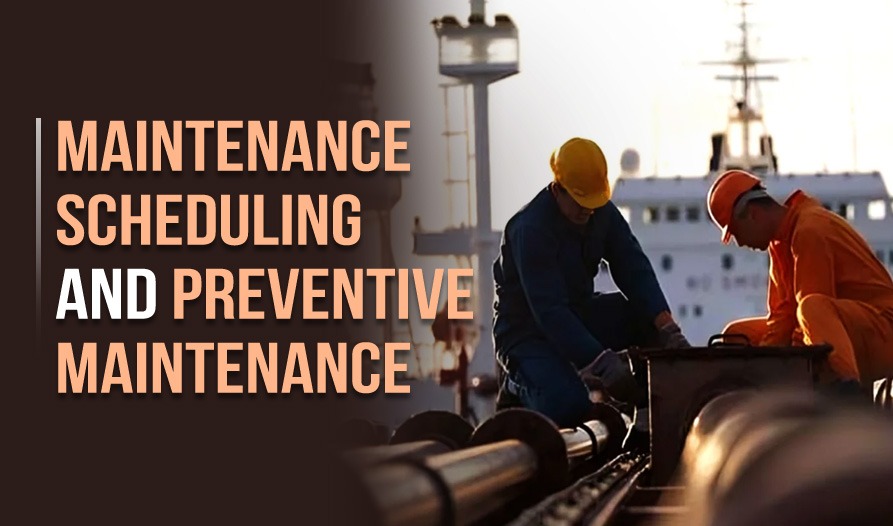
A reliable technical partner should have a structured approach to Maintenance Scheduling.
Waiting for machinery to fail before repairing it can result in expensive downtime. Instead, preventive maintenance helps identify potential issues before they become major failures.
A good technical management system should track:
- Planned maintenance
- Equipment running hours
- Inspection dates
- Overhaul schedules
- Critical machinery
- Spare parts requirements
- Maintenance history
Moreover, maintenance data can help technical managers identify recurring equipment problems.
Over time, this approach can improve reliability and reduce unexpected repair expenses.
4. Examine Crew Management Capabilities
Technical management and Crew Management are closely connected.
Even the best maintenance system cannot work effectively without properly trained and competent crew members.
Therefore, a technical management partner should work closely with the onboard team and ensure that crew members understand:
- Maintenance procedures
- Safety requirements
- Equipment operation
- Emergency procedures
- Reporting systems
- Company policies
Furthermore, communication between shore-based technical teams and shipboard personnel must be clear and timely.
A good partner should therefore have an organized crew support structure rather than treating technical management and crew management as completely separate functions.
5. Assess Regulatory Compliance
Maritime regulations continue to evolve. Consequently, maintaining Regulatory Compliance is one of the most important responsibilities of a technical ship management company.
Your technical management partner should understand requirements related to:
- IMO regulations
- SOLAS
- MARPOL
- ISM Code
- Classification societies
- Flag administrations
- Port State Control
- Safety and environmental requirements
Additionally, the company should maintain accurate documentation and monitor certificate expiry dates.
Failure to comply with applicable regulations can result in inspections, delays, penalties, or operational restrictions. Therefore, regulatory knowledge should be treated as a core capability rather than an additional service.
6. Consider Fuel Efficiency and Energy Performance
Fuel is one of the major operating expenses for many vessels. Therefore, Fuel Efficiency should be an important consideration when selecting a technical management partner.
A capable technical manager should monitor fuel consumption and identify opportunities to improve vessel performance.
This may involve:
- Engine performance monitoring
- Hull and propeller condition
- Speed optimization
- Trim optimization
- Voyage performance analysis
- Weather routing
- Energy management
- Equipment efficiency
Moreover, the global shipping industry is under increasing pressure to improve environmental performance. Therefore, an Energy Efficient vessel can provide both environmental and financial benefits.
The International Maritime Organization has established measures such as EEXI, CII, and SEEMP to support improvements in ship energy efficiency and carbon intensity. Consequently, technical management companies must understand how technical and operational measures affect vessel performance.
7. Compare Cost-Effective Solutions, Not Just Management Fees
When selecting a technical management partner, many ship owners naturally compare service fees. However, the cheapest option is not always the most Cost-Effective option.
A low management fee may become expensive if it leads to:
- Poor maintenance
- Frequent breakdowns
- Delayed spare parts
- Inefficient fuel consumption
- Compliance problems
- Longer repair periods
Therefore, evaluate the total value delivered by the management company.
Ask questions such as:
- How quickly does the company respond to technical problems?
- Does it have reliable procurement systems?
- How does it control repair expenses?
- Does it monitor vessel performance?
- How does it manage dry docking?
- What technology does it use?
- How does it report costs to owners?
In this way, ship owners can compare actual value rather than simply comparing monthly management charges.
8. Review Procurement and Spare Parts Management
Efficient procurement can have a significant impact on vessel operating expenses.
A technical management partner should have access to reliable suppliers and a structured purchasing process. Furthermore, it should be able to source genuine and suitable spare parts without unnecessary delays.
Effective procurement should focus on:
- Quality
- Price
- Availability
- Delivery time
- Supplier reliability
- Technical specifications
Additionally, proper inventory planning can prevent emergency purchasing, which can often be more expensive.
Therefore, strong procurement capabilities can contribute directly to better cost control.
9. Evaluate Digital Fleet Management Systems
Technology has changed the way vessels are managed. Today, modern Fleet Management systems can bring technical, operational, maintenance, and performance information together.
Digital systems can help managers monitor:
- Maintenance tasks
- Vessel performance
- Fuel consumption
- Defects
- Certificates
- Spare parts
- Technical reports
- Operational data
Moreover, digital information allows shore teams to make faster and better-informed decisions.
However, technology alone is not enough. The management company must have experienced people who know how to interpret the data and turn it into practical action.
10. Examine Emergency Response Capability
Technical problems do not always happen during convenient office hours. A machinery failure may occur at sea, during a port stay, or during challenging weather.
Therefore, emergency response capability is another important factor when Choosing the Right Technical Ship Management Partner.
Ask whether the company provides:
- 24/7 technical support
- Emergency troubleshooting
- Port support
- Rapid procurement
- Remote technical assistance
- Qualified shore-based engineers
A responsive technical team can help reduce downtime and prevent minor technical problems from becoming major operational disruptions.
11. Check the Company’s Safety Culture
Safety should remain at the center of technical ship management.
A good management partner should have clear procedures for:
- Risk assessment
- Incident reporting
- Near-miss reporting
- Maintenance safety
- Permit-to-work systems
- Emergency response
- Safety audits
Furthermore, the company should encourage crew members to report problems instead of hiding them.
A strong safety culture helps identify risks early and supports safer vessel operations.
12. Look for Long-Term Partnership
Technical management is not a short-term transaction. Ships operate for many years, and their technical requirements change throughout their lifecycle.
Therefore, ship owners should look for a partner capable of supporting the vessel over the Long Term.
The relationship should include:
- Regular performance reviews
- Transparent communication
- Cost reporting
- Technical recommendations
- Asset protection
- Continuous improvement
- Strategic planning
Moreover, the technical manager should understand the owner’s commercial objectives and align technical decisions with those objectives.
Questions to Ask Before Selecting a Technical Ship Management Partner
Before signing an agreement, ship owners and fleet operators should ask:
- What types of vessels does the company manage?
- What is the experience of its technical team?
- How does it handle emergency technical issues?
- What systems are used for maintenance?
- How are spare parts sourced?
- How does the company monitor fuel performance?
- How does it maintain Regulatory Compliance?
- How transparent is its cost reporting?
- How does it manage dry docking?
- What support does it provide to onboard crew?
- How does it use digital technology?
- Can it provide references or performance records?
These questions can help ship owners compare service providers more effectively.
Varren Marines Shipping: A Trusted Technical Ship Management Partner in India
For ship owners looking for professional technical expertise, Varren Marines Shipping is one of India’s leading Ship Management & Crew Management Companies.
The company provides comprehensive maritime solutions covering:
- Technical Ship Management
- Fleet Management
- Crew Management
- Vessel Maintenance
- Marine Engineering Support
- Spare Parts Procurement
- Regulatory Compliance
- Safety Management
- Vessel Performance Monitoring
With experienced maritime professionals and a strong focus on safety, reliability, compliance, and operational performance, Varren Marines Shipping supports ship owners and maritime partners in managing their vessels efficiently.
Furthermore, the company’s integrated approach allows technical, crew, maintenance, and operational requirements to be managed through a coordinated system.
For ship owners, this means having a reliable partner who understands that every vessel is a valuable business asset that must be protected over the Long Term.
Frequently Asked Questions
1. What is technical ship management?
Technical ship management involves managing the technical aspects of vessel operations, including maintenance, machinery, safety, inspections, spare parts, dry docking, regulatory requirements, and vessel performance.
2. How do I choose the right technical ship management partner?
Look for a company with strong Marine Engineering, experienced technical personnel, reliable Fleet Management, effective Crew Management, transparent cost control, good regulatory knowledge, emergency support, and a proven record of vessel maintenance.
3. Why is Marine Engineering important in technical ship management?
Marine Engineering expertise helps ensure that propulsion systems, engines, electrical equipment, pumps, and other machinery are properly operated and maintained. It also helps technical teams identify and resolve machinery problems efficiently.
4. How can technical ship management reduce Operating Cost?
Professional technical management can reduce Operating Cost through preventive maintenance, efficient procurement, improved Fuel Efficiency, better voyage performance, reduced downtime, and effective maintenance planning.
5. What role does Crew Management play in technical ship management?
Crew Management ensures that qualified and properly trained seafarers are available to operate and maintain vessels safely. Effective communication between crew and shore-based technical teams is also essential for reliable vessel operations.
6. Why is Regulatory Compliance important for vessels?
Regulatory Compliance helps ensure that vessels meet applicable international, flag-state, classification, and port requirements. Proper compliance reduces the risk of delays, penalties, deficiencies, and operational restrictions.
7. How does technology improve Fleet Management?
Digital Fleet Management systems can bring maintenance, fuel, technical, safety, and operational data together. This allows shore-based teams to identify problems earlier and make better-informed decisions.
8. Why should ship owners consider a Long Term technical management partnership?
A Long Term partnership allows the technical manager to understand the vessel’s history, equipment condition, operating patterns, crew requirements, and owner’s objectives. This can support better planning, consistent maintenance, improved reliability, and protection of vessel value over time.