
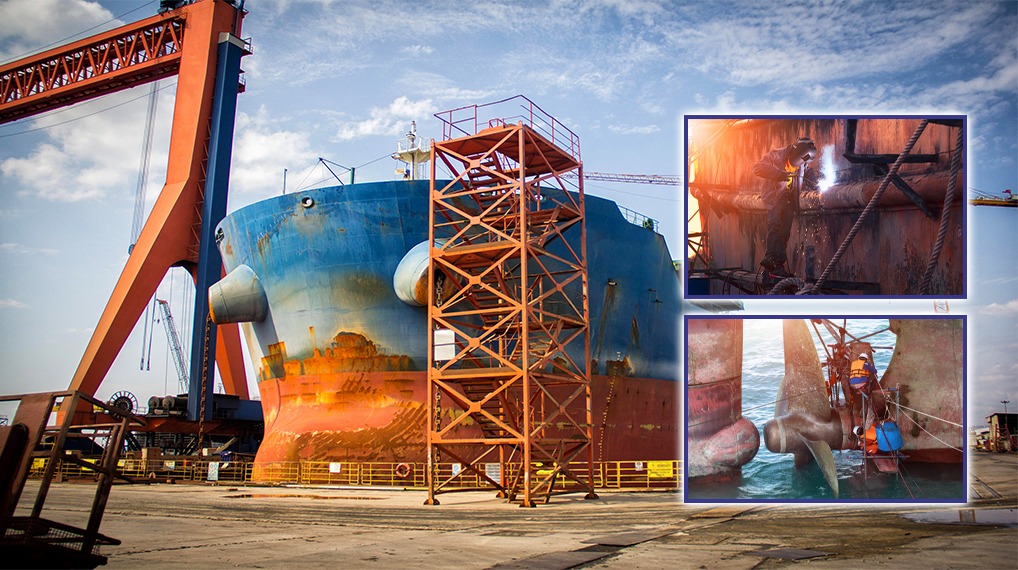
Ship Repair Services: Types, Costs and Planning
Ships play a major role in Global Trade, transporting essential goods, fuel, raw materials, and other cargo across countries. However, continuous operations expose vessels to wear, corrosion, machinery problems and changing technical requirements. Therefore, regular ship repair and maintenance are necessary to keep vessels safe, reliable and commercially productive.
Understanding ship repair services, their costs and proper planning helps ship owners avoid unexpected breakdowns and control operating expenses. Moreover, a well-planned repair schedule can improve vessel performance, extend equipment life and support Regulatory Compliance.
In this guide, we explain the main types of ship repair services, the factors that affect repair costs and how ship owners can plan maintenance more effectively.
What Are Ship Repair Services?
Ship repair services include inspections, maintenance, repairs, overhauls and upgrades that keep vessels in good operating condition. These services may be performed onboard, at a port, in a workshop or during dry docking.
The work required depends on the vessel’s age, condition, operating schedule and Vessel Type. For example, cargo ships, tankers and Passenger Ships have different equipment, operational needs and safety requirements.
Consequently, ship owners should select repair services according to the vessel’s condition rather than following a one-size-fits-all approach.
Types of Ship Repair Services
1. Hull and Structural Repairs
The hull is continuously exposed to seawater, corrosion, impact, and marine growth. Therefore, inspections and repairs are important for maintaining the vessel’s structural condition.
Typical work includes steel replacement, crack repairs, hull cleaning, protective coating, and corrosion treatment. Furthermore, propeller and underwater inspections can help identify damage or performance issues.
2. Engine and Mechanical Repairs
The main engine and auxiliary machinery are essential for reliable vessel operations. Consequently, mechanical problems can cause delays and expensive downtime.
Repair work may include engine overhauls, pump repairs, turbocharger servicing, cooling-system maintenance and replacement of worn Engine Parts. Depending on the problem, specialists may also inspect fuel injection equipment, generators and propulsion systems.
3. Electrical and Automation Repairs
Modern ships depend on electrical systems, sensors, alarms and automation equipment. Therefore, faults in generators, control panels, navigation equipment or electrical wiring must be identified and corrected promptly.
In addition, regular testing can help detect developing faults before they affect critical shipboard operations.
4. Dry Docking and Major Overhauls
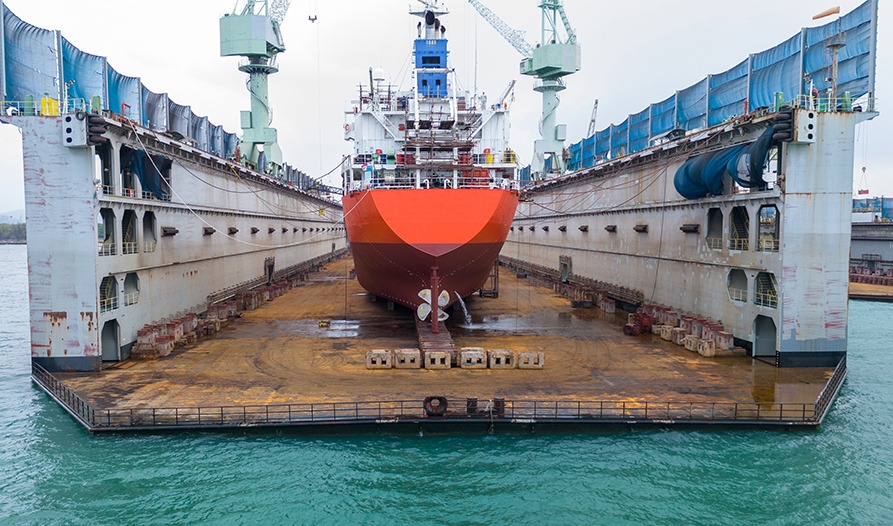
Dry docking allows a vessel to be taken out of the water so that underwater areas can be inspected and repaired.
During this period, ship owners may arrange hull treatment, propeller work, structural repairs, machinery overhauls, and required inspections. Moreover, combining several jobs within one dry-docking period can reduce repeated disruption and make better use of the repair window.
5. Spare Parts and Equipment Replacement
Timely access to suitable Spare Parts is essential for efficient repairs. However, delays in sourcing components can extend downtime and increase costs.
Therefore, technical teams should maintain accurate inventory records, identify critical components, and plan procurement well before scheduled maintenance.
What Factors Affect Ship Repair Costs?
Ship repair costs vary considerably depending on the work required. The main factors include:
- Vessel Type and size: Larger or specialised vessels may require additional labour, equipment and workshop capacity.
- Extent of damage: Minor repairs generally require fewer resources than major machinery or structural work.
- Labour and materials: Specialist technicians, steel, coatings and replacement components influence the total bill.
- Spare parts availability: Urgent sourcing and delivery can increase expenses.
- Repair location: Costs differ between shipyards, ports, workshops and service locations.
- Downtime: Delays can disrupt schedules and affect a vessel’s earning potential.
- Compliance requirements: Inspections, testing and required upgrades may add to the repair scope.
For this reason, ship owners should request a clear quotation that identifies the work scope, materials, labour, expected duration and possible additional charges.
How to Plan Ship Repairs Effectively
1. Inspect the Vessel Regularly
First, review inspection reports, machinery condition, defect records and maintenance history. This helps technical teams identify priorities before they become urgent problems.
2. Prepare a Repair Budget
Next, estimate labour, materials, Spare Parts, transportation, dock charges and contingency expenses. In addition, compare the estimated cost with the vessel’s maintenance budget.
3. Schedule Repairs in Advance
Early planning gives ship owners more time to arrange service providers, order components and coordinate vessel schedules. According to Wärtsilä, early communication, equipment assessment, clear work scopes and resource planning are key elements of a successful maintenance project.
4. Use Predictive Maintenance
Predictive Maintenance uses equipment condition and performance data to identify signs of developing problems. For example, vibration, temperature, pressure, and oil analysis can help technical teams decide when equipment needs attention.
As a result, maintenance may be scheduled more effectively, although inspections and manufacturer-recommended maintenance remain important.
5. Check Repair Quality and Documentation
Finally, verify that completed work meets the agreed specifications. Keep records of repairs, replaced components, tests, inspection findings, and any follow-up work.
This documentation supports future planning and helps demonstrate Regulatory Compliance where required.
The Role of Marine Engineering in Ship Repairs
Marine Engineering plays an important role in diagnosing technical problems, selecting appropriate repair methods and maintaining machinery performance.
Qualified technical personnel assess the condition of engines, propulsion systems, electrical equipment and other critical machinery. Furthermore, they help determine whether a component should be repaired, reconditioned or replaced.
Industry leaders such as Hyundai Heavy Industries illustrate the scale and technical expertise involved in the wider shipbuilding and marine engineering sector. However, the appropriate repair provider for a vessel should be selected according to the specific equipment, required capabilities, location and service scope.
How Ship Repairs Support Global Trade
Reliable vessels help cargo move according to planned schedules. Conversely, unexpected breakdowns can delay deliveries, disrupt port operations and increase costs for ship owners and cargo stakeholders.
Therefore, planned maintenance is not simply a technical responsibility. It is also a business decision that supports safer operations, reliable schedules and efficient Global Trade.
Regular repairs can also help maintain Fuel Efficiency, reduce avoidable equipment failures and extend a vessel’s useful service life.
Varren Marines Shipping: Supporting Reliable Ship Management
Varren Marines Shipping provides ship management and related maritime services for ship owners and industry partners. As one of India’s leading Ship Management & Crew Management Companies serving the merchant navy sector, VMS supports structured vessel operations and crew management.
Effective ship management involves coordinating maintenance requirements, monitoring vessel condition, planning technical work and ensuring that appropriate records are maintained. Moreover, a planned approach can help ship owners identify potential issues earlier and manage repair requirements more effectively.
For ship owners, technical managers and maritime agents, working with an experienced ship management partner can support better coordination, cost visibility and vessel reliability.
Frequently Asked Questions
1. What are ship repair services?
Ship repair services include inspections, hull repairs, engine maintenance, electrical repairs, dry docking, machinery overhauls and equipment replacement to maintain vessel condition and performance.
2. What are the main types of ship repairs?
The main types include hull and structural repairs, engine and mechanical repairs, electrical and automation repairs, dry docking, and replacement of damaged or worn components.
3. How much do ship repair services cost?
Costs depend on vessel size, damage, labour, materials, repair location, parts availability and downtime. Ship owners should request a detailed quotation based on the vessel’s condition and required work.
4. Why is dry docking important?
Dry docking provides access to underwater areas of a vessel for inspection, cleaning, coating, structural repairs and other maintenance activities that cannot be completed as effectively while afloat.
5. How can ship owners reduce repair costs?
Ship owners can plan maintenance early, inspect equipment regularly, monitor critical components, manage spare parts inventory and combine suitable repair jobs during scheduled maintenance periods.
6. What is Predictive Maintenance in shipping?
Predictive Maintenance uses equipment data and condition monitoring to identify possible failures before they become serious problems. It helps technical teams plan maintenance based on the condition of machinery.
7. Do Passenger Ships require different repair planning?
Yes. Passenger Ships have specific operational, safety and passenger-service requirements. Repair planning must consider the vessel’s systems, operating schedule, applicable regulations and the scope of work required.
8. How does ship repair support Regulatory Compliance?
Proper maintenance, inspections, testing and documentation help ship owners demonstrate that applicable safety, environmental and classification requirements are being addressed. The exact requirements depend on the vessel, its flag and the relevant authorities.